


Nutrition
Healthy Eating and Diet Tips for Women
Eating right to look and feel your best at every stage of your life


This therapist directory is offered in partnership with BetterHelp. If you sign up for therapy after clicking through from this site, HelpGuide will earn a commission. This helps us continue our nonprofit mission and continue to be there as a free mental health resource for everyone.
Need to talk to someone now? Find a crisis helpline
If you're a BetterHelp therapist with questions about your directory listing, please contact therapists@betterhelp.com
Calcium is the key to lifelong bone health. These diet tips can help you eat to strengthen your bones and prevent osteoporosis.

Calcium is a key nutrient that many of us overlook in our diets. Almost every cell in the body uses calcium in some way, including the nervous system, muscles, and heart. Your body uses calcium to build healthy bones and teeth, keep them strong as you age, send messages through the nervous system, help your blood clot, your muscles contract, and regulate the heart’s rhythm.
If you don’t get enough calcium in your diet, your body will take it from your bones to ensure normal cell function, which can lead to weakened bones or osteoporosis. Calcium deficiency can contribute to mood problems such as irritability, anxiety, depression, and difficulty sleeping.
Despite these vital functions, many of us are confused about calcium and how to best protect our bones and overall health. How much calcium should you get? Where should you get it? And what’s the deal with vitamin D, magnesium, and other nutrients that help calcium do its job? This confusion means that many of us are not getting the recommended daily amount of calcium and approximately one in two women (and about one in four men) over the age of 50 will break a bone due to osteoporosis.
Getting enough calcium in your diet is not just important for older people. It’s also vital for children, teens, and young adults since we continue building bone mass into our mid-20s. From then on, we can lose bone mass without sufficient calcium in our diets. Whatever your age or gender, it’s vital to include calcium-rich foods in your diet, limit those that deplete calcium, and get enough magnesium and vitamins D and K to help calcium do its job.
BetterHelp is an online therapy service that matches you to licensed, accredited therapists who can help with depression, anxiety, relationships, and more. Take the assessment and get matched with a therapist in as little as 48 hours.
Take Assessment HelpGuide is user supported. We earn a commission if you sign up for BetterHelp’s services after clicking through from this site. Learn moreOsteoporosis is a “silent” disease characterized by loss of bone mass. Due to weakened bones, fractures become commonplace, which leads to serious health risks. People with osteoporosis often don’t recover after a fall, especially women aged 60 and older. Men are also at risk of developing osteoporosis, but typically 5 to 10 years later than women. For most people, osteoporosis is preventable, and getting enough calcium in your diet is the first place to start.
| Age | Males | Females |
|---|---|---|
| Newborn to 6 months | 200 mg/day | 200 mg/day |
| 7 to 12 months | 260 mg/day | 260 mg/day |
| 1 to 3 years | 700 mg/day | 700 mg/day |
| 4 to 8 years | 1,000 mg/day | 1,000 mg/day |
| 9 to 18 years | 1,300 mg/day | 1,300 mg/day |
| 19 to 50 years | 1,000 mg/day | 1,000 mg/day |
| 51 to 70 years | 1,000 mg/day | 1,200 mg/day |
| 70+ years | 1,200 mg/day | 1,200 mg/day |
Doctors recommend that you get as much of your daily calcium needs as possible from food and use only low-dose supplements to make up any shortfall. Your body is better able to absorb calcium from food than it can from supplements. In fact, studies show that even though people who take calcium supplements have a higher average intake, those who get their calcium from food have stronger bones. Furthermore, using high-dose calcium supplements may increase your risk of kidney stones and heart disease.
Good sources of calcium include dairy products, leafy green vegetables, fatty fish, oatmeal and other grains, tofu, cabbage, sea vegetables, and calcium-fortified foods such as cereals and orange juice.
| Food | Milligrams (mg) per serving |
|---|---|
| Yogurt, plain, low fat, 8 ounces | 415 |
| Mozzarella, part skim, 1.5 ounces | 333 |
| Cheddar cheese, 1.5 ounces | 306 |
| Cottage cheese, (1% milk fat), 8 ounces | 138 |
| Cheese, cream, regular, 1 tablespoon | 14 |
| Milk, nonfat, 8 ounces | 299 |
| Milk, reduced-fat (2% milk fat), 8 ounces | 293 |
| Milk, whole (3.25% milk fat), 8 ounces | 276 |
| Soymilk, calcium-fortified, 8 ounces | 299 |
| Ready-to-eat cereal, calcium-fortified, 1 cup | 100-1,000 |
| Sardines, canned in oil, with bones, 3 ounces | 325 |
| Salmon, pink, canned, solids with bone, 3 ounces | 181 |
| Tofu, firm, made with calcium sulfate, 1/2 cup | 253 |
| Tofu, soft, made with calcium sulfate, 1/2 cup | 138 |
| Turnip greens, fresh, boiled, 1/2 cup | 99 |
| Kale, fresh, cooked, 1 cup | 94 |
| Chinese cabbage, bok choy, raw, shredded, 1 cup | 74 |
| Kale, raw, chopped, 1 cup | 24 |
| Broccoli, raw, 1/2 cup | 21 |
While milk and other dairy products contain a lot of calcium in a highly absorbable form, there may be some potential downsides.
Whole milk dairy products are often high in saturated fat. Many prominent health organizations recommend that you limit your saturated fat intake and choose low- or non-fat dairy foods, though an increasing body of research shows that eating whole-milk dairy products is linked to less body fat and lower levels of obesity. Low-fat and non-fat dairy products also tend to contain lots of hidden sugar to make up for the loss of taste, which can be far more detrimental to your health and weight than the saturated fat it replaced.
Milk can contain high levels of estrogen. Some studies show a possible link between the natural estrogens found in milk and breast, prostate, and testicular cancer. Part of the problem is modern dairy practices, where the cows are fed synthetic hormones and antibiotics, kept continuously pregnant, and milked over 300 days per year. The more pregnant the cow, the higher the hormones in the milk. Organic milk comes from cows that are grass-fed and not given synthetic hormones or other additives, although organic milk can still be high in natural hormones. Because both natural and synthetic hormones are found in the milk fat, skim milk has a much lower level.
Some people are lactose intolerant, meaning they are unable to digest lactose, a sugar found in milk and milk products. Symptoms range from mild to severe, and include cramping, bloating, gas, and diarrhea. Beyond the discomfort it causes, lactose intolerance can also interfere with calcium absorption from dairy.
To boost your daily intake, try to include calcium-rich foods in multiple meals or snacks.
Greens can easily be added to soups, casseroles, or stir-fries. Opt for kale, collard greens, turnip greens, dandelion greens, mustard greens, beet greens, broccoli, and cabbage. Spice up these and other dishes with garlic, basil, thyme, oregano, and rosemary to add more nutrients.
Eat dark green leafy salads with your meals. Try romaine hearts, arugula, butter lettuce, mesclun, watercress, or red leaf lettuce (avoid iceberg lettuce as it has very little nutrient value).
Add extra servings of veggies to your meals, i.e. asparagus, fresh green peas, broccoli, cabbage, okra, bok choy.
Top salads or make a sandwich with canned fish with bones, such as sardines and pink salmon.
Use beans/legumes as part of your meals. They are wonderful in stews, chili, soup, or as the protein part of a meal. Try tofu, tempeh, black-eyed peas, black beans, and other dried beans. You can also snack on edamame.
Start your day with oats. Steel cut oats or rolled oats make a filling breakfast. For an added punch include cinnamon
Snack on nuts and seeds such as almonds and sesame seeds. You can also add these to your morning oatmeal.
Order or prepare sandwiches on whole grain wheat bread.
When it comes to healthy bones and preventing osteoporosis, calcium alone is not enough. There are a number of other vital nutrients that help your body absorb and make use of the calcium you consume.
Why it’s important: Magnesium helps your body absorb and retain calcium to help build and strengthen bones and prevent osteoporosis. Since your body is not good at storing magnesium, it is vital to make sure you get enough of it in your diet.
How much do you need? For adult men, 400-420 mg daily. For adult women, 310-320 mg daily (more during pregnancy).
How to include more in your diet: Magnesium is found in nuts (especially almonds and cashews), seeds (pumpkin, sesame, flax, sunflower), whole grains, seafood, legumes, tofu, and many vegetables, including spinach, Swiss chard, summer squash, turnip and mustard greens, broccoli, sea vegetables, cucumbers, and celery. Reduce sugar and alcohol, which increase the excretion of magnesium.
Why it’s important: Vitamin D helps the body absorb calcium and regulates calcium in the blood.
How much do you need? Up to age 70, 600 IU (international units) per day. Over 70, 800 IU per day.
How to include more in your diet: Your body synthesizes vitamin D when exposed to the sun, so try to spend five to 30 minutes outside in the sun several times a week. Also, include good food sources of vitamin D in your diet, such as fortified milk, egg yolks, cheese, fortified cereal, butter, cream, fish, shrimp, and oysters.
A note on vitamin D supplements: For healthy adults, food and sun exposure usually provides a sufficient intake of vitamin D. In fact, recent studies suggest that taking vitamin D supplements is not effective in reducing the rate of bone fractures in healthy adults aged over 50. However, if you already have osteoporosis or your doctor has indicated you require extra vitamin D, follow their advice and continue taking a supplement.
Why it’s important: Phosphorous works with calcium to build bones. But again, it’s important to get the balance right: too much phosphorous will cause your body to absorb less calcium and can even be toxic.
How much do you need? For adults, 700 mg a day.
How to include more in your diet: Good sources include dairy, fish (cod, salmon, tuna), pork, poultry, lentils, nuts, and whole grains.
Why it’s important: Vitamin K helps the body regulate calcium and form strong bones.
How much do you need? Adult men, 120 micrograms daily. Adult women, 90 micrograms daily.
How to include more in your diet: You should be able to meet the daily recommendation for vitamin K by simply eating one or more servings per day of broccoli, Brussels sprouts, dark green lettuce, collard greens, or kale.
New research suggests that vitamin C and vitamin B12 may also play important roles in bone health and the prevention of osteoporosis.
Consuming foods rich in vitamin C may help to prevent bone loss. Good sources include citrus fruit, such as oranges and grapefruit, strawberries, kiwi, mango, Brussels sprouts, and green bell peppers.
Studies have also found a link between vitamin B12 levels and bone density and osteoporosis. Good sources of B12 include seafood such as salmon, haddock, and canned tuna, as well as milk, yogurt, eggs, and cottage cheese. Good vegetarian and vegan sources include nutritional yeast, fortified soy and almond milk, and fortified cereals.
In addition to adding calcium-rich foods to your diet, you can also minimize the amount of calcium you lose by reducing your intake of foods and other substances that deplete your body’s calcium stores.
Lower your salt intake. Eating too much salt can contribute to calcium loss and bone breakdown. Reduce packaged and convenience foods, fast foods, and processed meats which are often high in sodium. Instead of salt, try using herbs and spices to enhance the taste of food.
Limit the caffeine you consume. Drinking more than 2 cups of coffee a day can lead to calcium loss. The amount lost can have a significant impact on older people with already low calcium levels. You can buffer the effects to an extent by drinking coffee with milk.
Watch your alcohol consumption. Drinking alcohol inhibits calcium absorption and disrupts your body’s calcium balance in a number of ways. Try to keep your alcohol consumption to no more than 7 drinks per week.
Beware of cola drinks. In order to balance the phosphates in cola beverages, your body draws calcium from your bones, which is then removed by the kidneys. Opt for water or calcium-fortified orange juice instead.
When it comes to building and maintaining strong bones, exercise is essential, especially weight-bearing activities such as walking, dancing, jogging, weightlifting, stair climbing, racquet sports, and hiking. Find something that you enjoy doing and make it a regular activity.
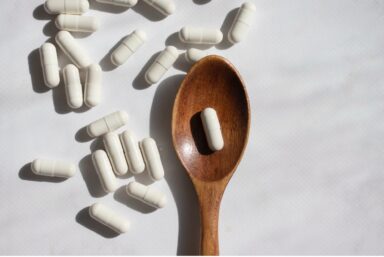
A 2026 analysis of research found that calcium supplements, vitamin D supplements, and the combination of both did little to reduce the risk of fractures or falls in most healthy older adults. The analysis looked at data from 69 clinical trials and nearly 154,000 adults. This adds new weight to what experts have already suspected: for most people, food is a much better source of calcium than pills. While food is the best source of calcium, making up any shortfall in your diet with supplements is another option. But it’s important not to take too much.
Calcium citrate is a highly absorbable calcium compound.
Calcium carbonate is not as easily absorbed as calcium citrate.
Don’t take more than 500 mg at a time. Your body can only absorb a limited amount of calcium at one time, so it is best to consume calcium in small doses throughout the day.
Don’t take more than the recommended amount for your age group. Take into account the amount of calcium you get from food. And remember: more isn’t better; it may damage the heart and have other negative health effects.
Take your calcium supplement with food. All supplemental forms of calcium are best absorbed when taken with food. If it’s not possible to take your supplement with food, choose calcium citrate.
Purity is important. It’s best to choose calcium supplements with labels that state “purified” or, if you’re in the U.S., have the USP (United States Pharmacopeia) symbol. Avoid supplements made from unrefined oyster shell, bone meal, or dolomite that don’t have the USP symbol because they may contain high levels of lead or other toxic metals.
Be aware of side effects. Some people do not tolerate calcium supplements as well as others and experience side effects such as acid rebound, gas, and constipation. Calcium citrate is less likely to cause gas or constipation, so try switching from calcium carbonate. Increasing your intake of fluids and high-fiber foods may also help with gas or constipation.
Check for possible drug interactions. Calcium, magnesium, and vitamin K supplements can interfere with other medications and vitamins you’re taking, including heart medicine, certain diuretics, antacids, blood thinners, and some cancer drugs. Talk with your doctor or pharmacist about possible interactions. Any medications that you take on an empty stomach should NOT be taken with calcium.
Eating right to look and feel your best at every stage of your life







Millions of readers rely on HelpGuide.org for free, evidence-based resources to understand and navigate mental health challenges. Please donate today to help us save, support, and change lives.
Donate to HelpGuide.org today