




This therapist directory is offered in partnership with BetterHelp. If you sign up for therapy after clicking through from this site, HelpGuide will earn a commission. This helps us continue our nonprofit mission and continue to be there as a free mental health resource for everyone.
Need to talk to someone now? Find a crisis helpline
If you're a BetterHelp therapist with questions about your directory listing, please contact therapists@betterhelp.com
Confused by all the conflicting nutrition advice out there? These simple tips can help you enjoy healthy foods and create a well-balanced diet that improves how you think and feel.
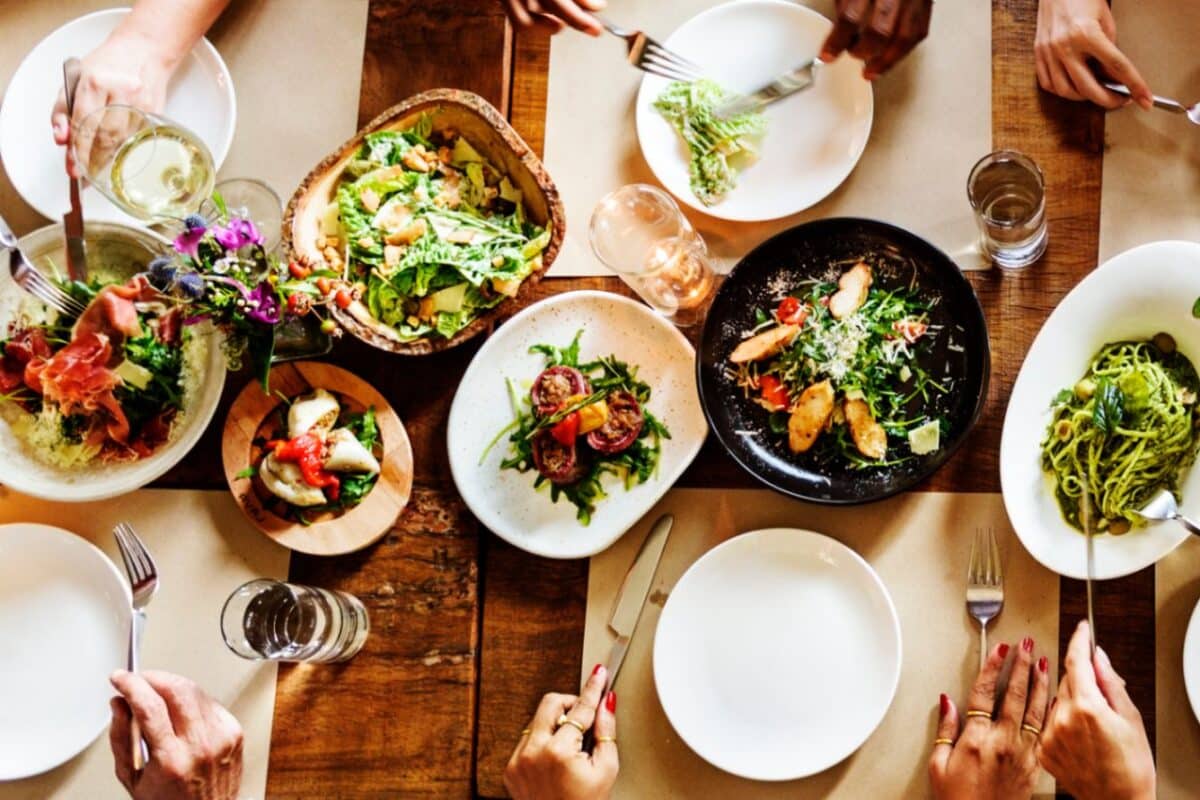
Healthy eating is not about strict limitations, staying unrealistically thin, or depriving yourself of the foods you love. Rather, it’s about eating well-balanced meals that leave you feeling great, having more energy, improving your health, and boosting your mood.
Healthy eating doesn’t have to be overly complicated. If you feel overwhelmed by all the conflicting nutrition and diet advice out there, you’re not alone. It seems that for every expert who tells you a certain food is good for you, you’ll find another saying exactly the opposite. The truth is that while some specific foods or nutrients have been shown to have a beneficial effect on mood, it’s your overall dietary pattern that is most important. Eating well involves eating more foods that are closer to the way nature made them. This can make a huge difference in how you think, look, and feel.
By using these simple tips, you can cut through the confusion and learn how to create—and stick to—a tasty, varied, and nutritious diet that is as good for your mind as it is for your body.
While some extreme diets may suggest otherwise, we all need a balance of protein, fat, carbohydrates, fiber, vitamins, and minerals in our diets to sustain a healthy body and mind. You don’t need to eliminate categories of food from your diet, but rather select a balance of options from each category.
Protein helps support your mood and cognitive function. Eating too much protein can be harmful to people with kidney disease, and it can displace other foods from your diet that provide important nutrients. However, research suggests that many of us need more high-quality protein in our diets, especially as we age. That doesn’t necessarily mean you have to eat more animal products. Including a variety of plant-based sources of protein each day can ensure your body gets all the essential protein it needs. Read: Choosing Health Protein»
Fat. Eating fats are helpful in a variety of biological functions, can make food taste good, and help you to feel satisfied after a meal. But not all fat is the same. While some fats, like saturated fats, have been linked to an increased risk of certain diseases, other, unsaturated fats protect your brain and heart health. In fact, omega-3 fats are vital to your physical and emotional health. Including more unsaturated fat in your diet can help improve your mood and protect your health. Read: Choosing Health Fats»
Carbohydrates are your body and brain’s main source of energy. Ideally, most carbs should come from complex, unrefined sources (such as vegetables, whole grains, and fruit) rather than sugars and refined carbs (such as donuts, white bread, and sugary drinks). Switching from simple, refined carbs to complex, unrefined carbs, and balancing your meals with with protein and unsaturated fat, can help prevent rapid spikes in blood sugar, and fluctuations in mood and energy. Read: Refined Carbs and Sugar»
Fiber. Eating foods high in dietary fiber (grains, fruit, vegetables, nuts, and beans) can help you stay regular and lower your risk for heart disease, stroke, and diabetes. It can also improve your skin and even help you to lose weight by feeling fuller longer. Read: High-Fiber Foods»
Calcium. As well as leading to osteoporosis, not getting enough calcium in your diet can also contribute to anxiety, depression, and sleep difficulties. Whatever your age or gender, it’s vital to include calcium-rich foods in your diet, limit those that deplete calcium, and get enough magnesium and vitamins D and K to help calcium do its job. Read: Calcium and Bone Health»
Switching to a balanced, nutritious diet doesn’t have to be an all or nothing proposition. You don’t have to be perfect, you don’t have to completely eliminate foods you enjoy, and you don’t have to change everything all at once—that usually only leads to cheating or giving up on your new eating plan.
A better approach is to make a few small changes at a time. Keeping your goals modest can help you achieve more in the long term without feeling deprived or overwhelmed by a major diet overhaul. Think of improving your diet as a number of small, manageable steps—like adding a salad to a meal once a day. As your small changes become habit, you can continue to add more healthy choices.
BetterHelp is an online therapy service that matches you to licensed, accredited therapists who can help with depression, anxiety, relationships, and more. Take the assessment and get matched with a therapist in as little as 48 hours.
Take Assessment HelpGuide is user supported. We earn a commission if you sign up for BetterHelp’s services after clicking through from this site. Learn moreTo set yourself up for success, try to keep things simple. Eating a more balanced diet doesn’t have to be complicated. Instead of being overly concerned with counting calories, for example, think of your diet in terms of color, variety, and freshness. Focus on minimizing packaged and heavily processed foods and opting for more fresh ingredients whenever possible.
Prepare more of your own meals. Cooking more meals at home can help you take charge of what you’re eating and better monitor exactly what goes into your food. You may find that you feel less tired, bloated, and irritable, and don’t exacerbate symptoms of depression, stress, and anxiety.
Add balance to your diet. When changing your dietary habits, it’s important to focus on making changes that help improve the overall quality of your diet. Replacing saturated fats with healthy fats (such as switching fried chicken for grilled salmon) can make a positive difference to your health. Switching animal fats for refined carbohydrates, though (such as switching your breakfast bacon for a donut), won’t lower your risk for heart disease or improve your mood.
Read the labels. It’s important to be aware of what’s in your food as manufacturers often include ingredients in packaged food that your body just doesn’t need.
Focus on how you feel after eating. This will help foster healthy new habits and tastes. The more balanced and nutritious your food, the better you’ll likely feel after a meal.
Drink plenty of water. Water helps flush our systems of waste products and toxins, yet many of us go through life dehydrated—causing tiredness, low energy, and headaches. It’s common to mistake thirst for hunger, so staying well hydrated may also help you to eat less.
What is moderation? In essence, it means eating only as much food as your body needs. You should feel satisfied at the end of a meal, but not stuffed. For many of us, moderation means eating less than we do now. But it doesn’t mean eliminating the foods you love. Eating bacon for breakfast once a week, rather than every day, for example, could be considered moderation.
Try not to think of certain foods as “off-limits.” When you ban certain foods, it’s natural to want those foods more, and then feel like a failure if you give in to temptation. Start by increasing your mindfulness around those foods. Does your body want certain food or do you just eat out of habit? How do different foods make you feel after you eat them?
Think smaller portions. Serving sizes have ballooned recently. When dining out, choose a starter instead of an entree, split a dish with a friend, and don’t order supersized anything. At home, visual cues can help with portion sizes. Your serving of meat, fish, or chicken should be the size of a deck of cards and half a cup of mashed potato, rice, or pasta is about the size of a traditional light bulb. If you still feel hungry at the end of a meal, check in with what you need to feel satisfied—and ry to fill up on nutritious options, such as greens or fruit, rather than choosing heavily processed foods.
Take your time. It’s important to slow down and think about food as nourishment rather than just something to gulp down in between meetings or on the way to pick up the kids. It actually takes a few minutes for your brain to tell your body that it has had enough food, so eat slowly and stop eating before you feel full.
Eat with others whenever possible. Eating alone, especially in front of the TV or computer, often leads to mindless overeating.
Be mindful about snacking. While snacking can help to keep you going during the day between meals, it can also be a crutch when you are bored or stressed. Try to make balanced choices for snacks, that include carbohydrates, proteins, and fats, such as apple or crackers with cheese, or yogurt and granola.
Be aware of emotional eating. We don’t always eat just to satisfy hunger. Many of us also turn to food to relieve stress or cope with unpleasant emotions such as sadness, loneliness, or boredom. But by learning healthier ways to manage stress and emotions, you can better maintain a balanced diet.
[Read: Emotional Eating and How to Stop It]
Eat breakfast, and eat smaller meals throughout the day. A healthy breakfast can jumpstart your metabolism, while eating small, healthy meals keeps your energy up all day.
Try to avoid eating late at night. While the evidence is mixed, some studies have linked late-night eating with weight gain. This may be associated with non-hunger eating. Since many of us view the evening as a time to relax and unwind, it’s easy to become mindless with our eating.
Fruit and vegetables are nutrient dense, which means they are packed with vitamins, minerals, antioxidants, and fiber. Focus on eating the recommended daily amount of at least five servings of fruit and vegetables and it will naturally fill you up. A serving is half a cup of raw fruit or veg or a small apple or banana, for example. Most of us need to double the amount we currently eat.
To increase your intake:
While plain salads and steamed veggies can quickly become bland, there are plenty of ways to add taste to your vegetable dishes.
Add color. Not only do brighter, deeper colored vegetables contain higher concentrations of vitamins, minerals and antioxidants, but they can vary the flavor and make meals more visually appealing. Add color using fresh or sundried tomatoes, glazed carrots or beets, roasted red cabbage wedges, yellow squash, or sweet, colorful peppers.
Liven up salad greens. Branch out beyond lettuce. Kale, arugula, spinach, mustard greens, broccoli, and Chinese cabbage are all packed with nutrients. To add flavor to your salad greens, try drizzling with olive oil, adding a spicy dressing, or sprinkling with almond slices, chickpeas, a little bacon, parmesan, or goat cheese.
Cook green beans, broccoli, Brussels sprouts, and asparagus in new ways. Instead of boiling or steaming these healthy sides, try grilling, roasting, or pan frying them with chili flakes, garlic, shallots, mushrooms, or onion. Or marinate in tangy lemon or lime before cooking.

Nutrition tips to boost energy levels and increase resistance to illness







Millions of readers rely on HelpGuide.org for free, evidence-based resources to understand and navigate mental health challenges. Please donate today to help us save, support, and change lives.
Donate to HelpGuide.org today