




This therapist directory is offered in partnership with BetterHelp. If you sign up for therapy after clicking through from this site, HelpGuide will earn a commission. This helps us continue our nonprofit mission and continue to be there as a free mental health resource for everyone.
Need to talk to someone now? Find a crisis helpline
If you're a BetterHelp therapist with questions about your directory listing, please contact therapists@betterhelp.com
Bothered by unpleasant feelings in your legs that keep you up at night? Learn what causes restless legs syndrome and how self-care, medication, and other treatments can help relieve the symptoms.
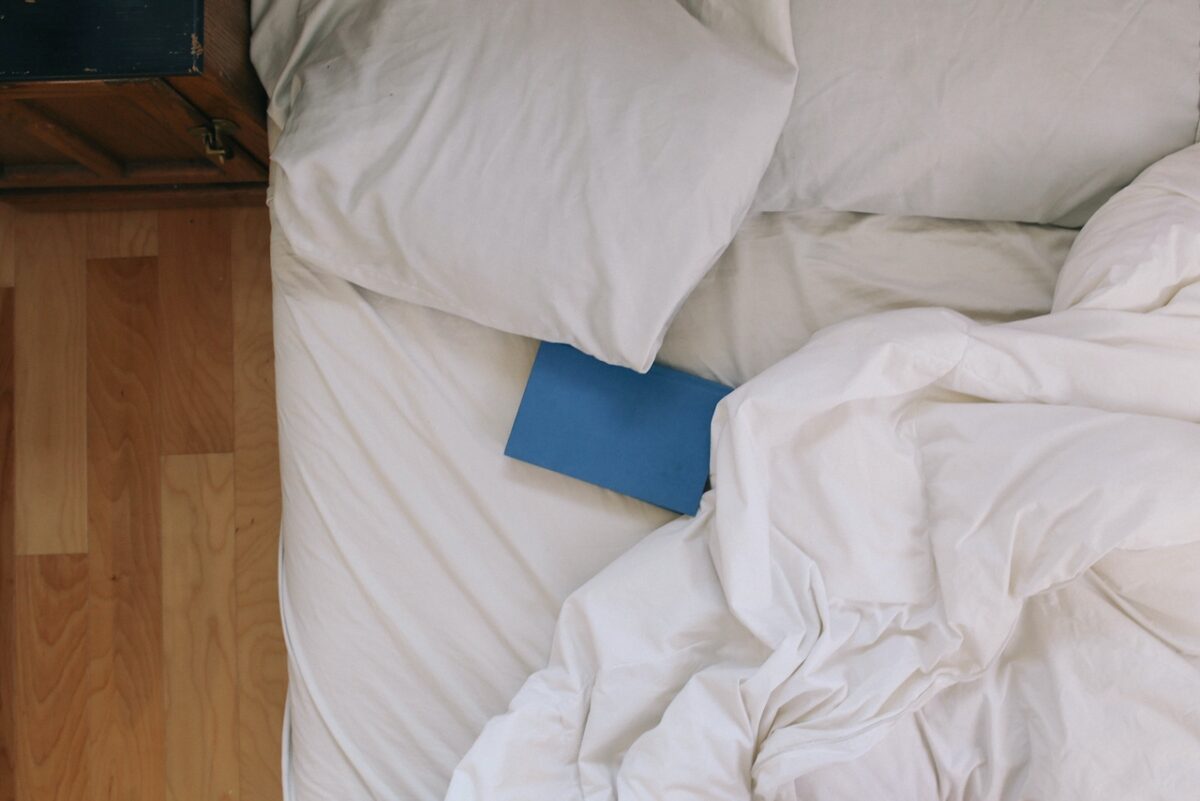
Restless legs syndrome (RLS), also known as Willis-Ekbom Disease, is a neurological disorder that causes strange and unpleasant tingling, aching, and itching sensations in your legs at night. The almost irresistible urge to move your legs when you lie down or relax can last for hours and prevent you from getting the sleep you need, taking a severe toll on your waking life.
Anyone can have restless legs syndrome, but it’s more common in older adults and women. Mild symptoms of RLS may start in early adulthood and then increase with age. After age 50, RLS symptoms often increase in severity and significantly disrupt sleep. Restless legs syndrome is also common during pregnancy (approximately 40% of pregnant women experience it).
While studies estimate that as many as one out of 10 people suffer from restless legs, it’s not always easy to find help and support. Part of the problem is that it’s hard to explain and sufferers are often dismissed as being “nervous.” Those who haven’t experienced the distressing symptoms may not understand how severely they can impact the quality of your life.
The good news is that recent research has increased our understanding of restless legs syndrome, leading to more effective treatments. If you or your partner suffers from restless legs, there are many ways to manage and relieve your symptoms—including simple lifestyle changes and self-care remedies that can help you enjoy a peaceful, refreshing night’s sleep.
If you have restless legs syndrome, a typical night might go like this: You lie down in bed, ready to go to sleep, and just as your body begins to relax, the crawling, tingling, or itching in your legs begin. You try to ignore the uncomfortable sensations, hoping they will go away, but eventually the urge to move is too much. You get out of bed to stretch and pace the floor and, for a moment, you find relief. But when you lie down again, the restless sensations in your legs start all over again.
BetterHelp is an online therapy service that matches you to licensed, accredited therapists who can help with depression, anxiety, relationships, and more. Take the assessment and get matched with a therapist in as little as 48 hours.
Take Assessment HelpGuide is user supported. We earn a commission if you sign up for BetterHelp’s services after clicking through from this site. Learn moreNot only do the signs and symptoms of restless legs syndrome differ from person to person, but they can be tricky to describe. Common descriptions include: a “creepy-crawly” feeling, tingling, itching, prickling, burning, pulling, tugging, and aching. Some people have said it feels like bugs are crawling up their legs, a fizzy soda is bubbling through their veins, or they have a “deep bone itch.” Sometimes the symptoms are painful, but usually they are simply uncomfortable and disturbing.
Leg discomfort combined with strong urge to move. Uncomfortable sensations deep within the legs, accompanied by a strong, often irresistible urge to move them.
Rest triggers the symptoms. The uncomfortable leg sensations start or become worse when you’re sitting, lying down, or trying to relax.
Symptoms get worse at night. RLS typically flares up at night. In more severe cases, the symptoms may begin earlier in the day, but they become much more intense at bedtime.
Symptoms improve when you walk or move your legs. The relief continues as long as you keep moving.
Leg twitching or kicking while sleeping. Many people with RLS also have periodic limb movement disorder (PLMD), which involves repetitive cramping or jerking of the legs during sleep.
The symptoms of RLS can range from mildly annoying to severely disabling. You may experience the symptoms only once in a while, such as times of high stress, or they may plague you every night.
In severe cases of RLS, you may experience symptoms in your arms as well as your legs.
Experts believe that low levels of iron in the brain may be responsible for RLS. An imbalance of dopamine is also believed to contribute.
A number of vitamin and mineral deficiencies are linked to restless legs syndrome.
Iron. Iron deficiency (anemia) is a well-known cause of RLS, so ask your doctor to test you for anemia. However, supplementing with iron can also improve RLS symptoms in those who aren’t anemic.
Vitamin D. Recent studies show that RLS symptoms are more frequent and more severe in people with vitamin D deficiency. Your doctor can easily test your vitamin D levels or you can simply make it a point to get out more in the sun.
Folate (folic acid). Folate deficiency has been linked to RLS, which may explain why restless legs are so common in pregnant women (folate plays a key role in healthy fetal development). When folic acid is low, B12 is often low as well, so you may want to try supplementing with a B-complex vitamin.
About 60 percent of people with restless legs have a family member with the condition, indicating a strong genetic component. Recent research backs this up. For instance, a 2024 meta-analysis of genome studies found over 140 spots in human DNA that are linked to RLS. Prior to this study, only 22 spots were known to researchers.
There are many common medications—both prescription and over-the-counter—that can trigger the symptoms of RLS or make them worse. Medications to watch out for include:
Whatever the cause of your restless legs syndrome, it’s important to know that there are plenty of ways to help yourself.
Avoiding known RLS triggers is a smart first step to overcoming the problem.
Manage stress. RLS symptoms get worse when you’re anxious and overwhelmed. Anything you can do to keep stress in check will help, including relaxation techniques such as meditation and deep breathing.
Cut back or eliminate alcohol. Alcohol is known to worsen the symptoms of RLS, so be cautious about drinking in the evening. Alcohol also disrupts sleep, so you’re more likely to wake up in the middle of the night and be bothered by restless legs.
Don’t over exercise. While moderate daily exercise can significantly ease RLS symptoms, it’s important not to overdo it. Strenuous exercise can sometimes exacerbate the symptoms of RLS, especially close to bedtime, so avoid exercising to the point where your joints or muscles become painful or ache.
Stop smoking. Nicotine is a stimulant that impairs blood flow to muscles and can make restless legs worse, so it’s best to avoid cigarettes, vaporizers, and e-cigarettes.
Experiment with caffeine. For some people with RLS, caffeine is a trigger. However recent research shows that it may actually benefit others. To see which camp you fall into, try cutting out coffee, tea, and energy drinks and see how that impacts your symptoms.
Daily activity, including aerobic exercise and lower-body resistance training, can significantly reduce the symptoms of restless legs syndrome in most people. Choose activities you enjoy, especially those that emphasize using the legs. Try to exercise for at least 30 minutes on most days, although not too close to bed time.
The exercise doesn’t need to be intense. Simple daily activities such as walking can often deliver all the benefits you’re looking for. In fact, highly vigorous exercise—like training for a marathon—can sometimes backfire and make RLS symptoms worse.
Simple stretching can help ease the symptoms of restless legs syndrome. Here’s a handful to help you get started:
Calf stretch. Stretch out your arms so that your palms are flat against a wall and your elbows are nearly straight. Slightly bend your right knee and step your left leg back a foot or two, positioning its heel and foot flat on the floor. Hold for 20 to 30 seconds. Now bend your left knee while still keeping its heel and foot flat on the floor. For a deeper stretch, move your foot back a bit farther. Switch legs and repeat.
Front thigh stretch. Standing parallel to a wall for balance, grab and pull one of your ankles toward your buttock while keeping the other leg straight. Hold for 20 to 30 seconds. Switch legs and repeat.
Hip stretch. Place the back of a chair against the wall for support and stand facing the chair. Raise your left foot up and rest it flat on the chair, with your knee bent. (Or try placing your foot on a stair while holding the railing for balance.) Keeping your spine as neutral as possible, press your pelvis forward gently until you feel a stretch at the top of your right thigh. Your pelvis will move forward only a little. Hold for 20 to 30 seconds. Switch legs and repeat.
According to research published in the Journal of Alternative and Complementary Medicine, women with RLS who practiced yoga reduced their symptoms and experienced less stress, an elevated mood, and better sleep habits.
The symptoms of restless legs syndrome can make it hard to get to sleep. When you’re sleep deprived, you not only feel terrible, but you’re more vulnerable to stress. Stress and fatigue can worsen RLS, making it a vicious cycle, so doing what it takes to get enough sleep is crucial.
Try sleeping with a pillow between your legs. It may prevent nerves in your legs from compressing and result in fewer nighttime RLS symptoms.
Stick to a regular sleep schedule. Support your body’s natural sleep rhythms by going to bed and getting up at the same time every day (including weekends).
Optimize your bedroom for sleep. Make sure your bed is comfortable by experimenting with different mattresses, foam toppers, and pillows. And try to keep your bedroom room dark (no lights from electronic devices), quiet, and cool.
Wind down with a relaxing bedtime routine. Try curling up in bed with a book, listening to calming music, or taking a hot bath (the heat has the added bonus of relieving restless legs).
Power down electronics 1-2 hours before bed. The blue light from screens (TVs, phones, tablets, computers) suppresses sleep-promoting hormones and stimulates your brain.
Try a magnesium supplement. Magnesium can improve sleep and some studies have shown it to be beneficial for restless legs. Try experimenting with a magnesium supplement (250 to 500 mg) at bedtime to see if your symptoms improve.
Logging changes in your diet, lifestyle, sleep habits, and routine might help you make helpful connections between your daily activities and the quality of your sleep at night.
Click here to download HelpGuide’s sleep diary.
Sometimes, despite your best self-help efforts, the symptoms of restless legs flare up. The following tips will help you find quick relief:
Sitting still for too long can make the symptoms of RLS worse, so try to break up periods of sitting with movement or stretches.
If self-care strategies aren’t providing sufficient relief of your symptoms, you may benefit from medical treatment.
No laboratory test can confirm a diagnosis of restless legs syndrome. To diagnose RLS, your doctor will need:
If a medical condition, such as iron deficiency, diabetes, or nerve damage is triggering your restless legs, treating the underlying problem may relieve your symptoms. If not, you may benefit from medication or other treatments.
There are a number of non-pharmaceutical treatments that have shown promise for treating restless legs syndrome.
Relaxis vibrating pad. The FDA-approved Relaxis pad is placed under your legs and vibrates at different intensities for 30-minute periods to provide counter-stimulation to the restless legs sensation. While it doesn’t work for everyone, the device does seem to help some RLS sufferers get better sleep without the unpleasant side effects of medication. In the U.S., the device is offered only with a prescription and can be either rented or purchased.
Transcutaneous electric nerve stimulation (TENS). Fifteen to 30 minutes of daily TENS therapy (using low-voltage electrical current) appears to help people who experience a lot of muscle spasms. You can purchase a portable, bedside TENS unit online. They are relatively inexpensive and don’t require a prescription.
Positional release manipulation. A small medical trial in the United Kingdom found that an osteopathic exercise technique known as positional release manipulation (PRM) could benefit people with restless legs syndrome. PRM involves holding different parts of the body in a position that reduces feelings of discomfort and pain.
Alternative therapies such as acupuncture, massage, hypnotherapy, and reflexology may also help relieve RLS symptoms.
If you have severe RLS symptoms that haven’t improved with lifestyle changes or other treatments, you may benefit from medication. However, no single medication works for everyone with RLS. In fact, a drug that relieves one person’s restless legs may actually make your symptoms worse.
In addition, drugs used to treat RLS come with serious side effects, so it’s important to weigh the benefits against the risks.
The following types of medications are most commonly used to treat RLS:
Many people with restless legs syndrome find that medications that work initially become less effective over time, so experts recommend also pursuing self-care and other remedies to give yourself the best chance of effectively relieving symptoms over the long term.
Find a Doctor in the U.S. – Search for a doctor from a directory of healthcare providers who have special interest in the treatment of restless legs syndrome. (RLS Foundation)
Support Groups in the U.S. and Canada – Search for a restless legs syndrome support group in your area. (RLS Foundation)
International RLS Groups – Find support groups worldwide. (RLS Foundation)
RLS UK – Support and information in the UK. (RLS-UK)







Millions of readers rely on HelpGuide.org for free, evidence-based resources to understand and navigate mental health challenges. Please donate today to help us save, support, and change lives.
Donate to HelpGuide.org today