




This therapist directory is offered in partnership with BetterHelp. If you sign up for therapy after clicking through from this site, HelpGuide will earn a commission. This helps us continue our nonprofit mission and continue to be there as a free mental health resource for everyone.
Need to talk to someone now? Find a crisis helpline
If you're a BetterHelp therapist with questions about your directory listing, please contact therapists@betterhelp.com
Do you or someone you know have a drinking problem? Learn how to recognize the warning signs and symptoms.

It’s not always easy to tell when your alcohol intake has crossed the line from moderate or social drinking to problem drinking. Drinking is so common in many cultures and the effects vary so widely from person to person, it can be hard to figure out if or when your alcohol intake has become a problem. However, if you consume alcohol to cope with difficulties or to avoid feeling bad, you’re in potentially dangerous territory.
Other signs that you may have a drinking problem include:
The bottom line is how alcohol affects you. If your drinking is causing problems in your life, then you have a drinking problem.
Drinking problems can sneak up on you, so it’s important to be aware of the warning signs of alcohol abuse and alcoholism and take steps to cut back if you recognize them. Understanding the problem is the first step to overcoming it and either cutting back to healthy levels or quitting altogether.
Alcoholism and alcohol abuse can affect all aspects of your life. Long-term alcohol use can cause serious health complications, affecting virtually every organ in your body, including your brain. Problem drinking can also damage your emotional stability, finances, career, and your ability to build and sustain satisfying relationships. Alcoholism and alcohol abuse can also have an impact on your family, friends and the people you work with.
Despite the potentially lethal damage that heavy drinking inflicts on the body—including cancer, heart problems, and liver disease—the social consequences can be just as devastating. Alcoholics and alcohol abusers are much more likely to get divorced, have problems with domestic violence, struggle with unemployment, and live in poverty.
But even if you’re able to succeed at work or hold your marriage together, you can’t escape the effects that alcoholism and alcohol abuse have on your personal relationships. Drinking problems put an enormous strain on the people closest to you.
Often, family members and close friends feel obligated to cover for the person with the drinking problem. So they take on the burden of cleaning up your messes, lying for you, or working more to make ends meet. Pretending that nothing is wrong and hiding away all of their fears and resentments can take an enormous toll. Children are especially sensitive and can suffer long-lasting emotional trauma when a parent or caretaker is an alcoholic or heavy drinker.
BetterHelp is an online therapy service that matches you to licensed, accredited therapists who can help with depression, anxiety, relationships, and more. Take the assessment and get matched with a therapist in as little as 48 hours.
Take Assessment HelpGuide is user supported. We earn a commission if you sign up for BetterHelp’s services after clicking through from this site. Learn moreThe 2024 National Survey on Drug Use and Health (NSDUH) reports that nearly 10 percent of people ages 12 and older have struggled with alcohol use disorder. It’s most common in men 18 and older, but it’s a condition that can affect anyone.
Risk factors for developing problems with alcohol arise from many interconnected factors, including your genetics, how you were raised, your social environment, and your emotional health. Some racial groups, such as American Indians and Native Alaskans, are more at risk than others for developing drinking problems or alcohol addiction. People who have a family history of alcoholism or who associate closely with heavy drinkers are more likely to develop drinking problems. Finally, those who suffer from a mental health problem such as anxiety, depression, or bipolar disorder are also particularly at risk, because alcohol is often used to self-medicate.
Not all alcohol abusers become full-blown alcoholics, but it is a big risk factor. Sometimes alcoholism develops suddenly in response to a stressful change, such as a breakup, retirement, or another loss. Other times, it gradually creeps up on you as your tolerance to alcohol increases. If you’re a binge drinker or you drink every day, the risks of developing alcoholism are greater.
Substance abuse experts make a distinction between alcohol abuse and alcoholism (also called alcohol dependence). Unlike alcoholics, alcohol abusers have some ability to set limits on their drinking. However, their alcohol use is still self-destructive and dangerous to themselves or others.
Repeatedly neglecting your responsibilities at home, work, or school because of your drinking. This might involve performing poorly at work or flunking classes because you’re hung over. Or perhaps you’re neglecting your kids or skipping out on commitments because you feel the urge to drink every evening.
Using alcohol in situations where it’s physically dangerous, such as drinking and driving, operating machinery while intoxicated, or mixing alcohol with prescription medication against doctor’s orders.
Experiencing repeated legal problems on account of your drinking. For example, getting arrested for driving under the influence or for drunk and disorderly conduct.
Continuing to drink even though your alcohol use is causing problems in your relationships. Getting drunk with your buddies, for example, even though you know your wife will be very upset, or fighting with your family because they dislike how you act when you drink.
Drinking as a way to relax or de-stress. Many drinking problems start when people use alcohol to self-soothe and relieve stress (otherwise known as self-medicating). Getting drunk after every stressful day, for example, or reaching for a bottle every time you have an argument with your spouse or boss.
Alcoholism is the most severe form of problem drinking. Alcoholism involves all the symptoms of alcohol abuse, but it also involves another element: physical dependence on alcohol. If you rely on alcohol to function or feel physically compelled to drink, you’re an alcoholic.
Do you have to drink a lot more than you used to in order to get buzzed or to feel relaxed? Can you drink more than other people without getting drunk? These are signs of tolerance, which can be an early warning sign of alcoholism. Tolerance means that, over time, you need more and more alcohol to feel the same effects. Perhaps instead of two drinks, you now need three to get that “tipsy” feeling.
Do you need a drink to steady the shakes in the morning? Drinking to relieve or avoid withdrawal symptoms is a sign of alcoholism and a huge red flag. When you drink heavily, your body gets used to the alcohol and experiences withdrawal symptoms if it’s taken away.
Withdrawal symptoms include:
In severe cases, withdrawal from alcohol can also involve hallucinations, confusion, seizures, fever, and agitation. These symptoms can be dangerous, so talk to your doctor if you are a heavy drinker and want to quit.
You’ve lost control over your drinking. You often drink more alcohol than you wanted to, for longer than you intended, or despite telling yourself you wouldn’t.
You want to quit drinking, but you can’t. You have a persistent desire to cut down or stop your alcohol use, but your efforts to quit have been unsuccessful.
You have given up other activities because of alcohol. You’re spending less time on activities that used to be important to you (hanging out with family and friends, going to the gym, pursuing your hobbies) because of your alcohol use.
Alcohol takes up a great deal of your energy and focus. You spend a lot of time drinking, thinking about it, or recovering from its effects. You have few if any interests or social involvements that don’t revolve around drinking.
You drink even though you know it’s causing problems. For example, you recognize that your alcohol use is damaging your marriage, deepening your depression, or causing health problems, but you continue to drink anyway.
While someone with alcoholism will tend to drink every day, others confine their drinking to short but heavy bursts. This is known as binge drinking. It’s often associated with young adults and college students who drink heavily at parties and then abstain for the rest of the week. However, plenty of older adults also binge drink, especially those over 65.
Binge drinking is defined as drinking so much that your blood alcohol level reaches the legal limit of intoxication within a couple of hours. For men, that means consuming five or more drinks within about two hours, and for women, four or more drinks within a similar period. These levels can be easy to hit if you sink shots, play drinking games, drink cocktails containing multiple servings of alcohol, or otherwise lose track of your intake.
Binge drinking can lead to reckless behavior such as violence, having unprotected sex, and driving under the influence. It can also lead to alcohol poisoning, a serious and sometimes deadly condition.
Consuming too much alcohol, too quickly, can slow your breathing and heart rate, lower your body temperature, and cause confusion, vomiting, seizures, unconsciousness, and even death. Alcohol poisoning can also depress your gag reflex, increasing the risk that if you’ve passed out you may choke on your own vomit.
If someone has been binge drinking and is an unconscious or semiconscious state, their breathing is slow, their skin clammy, and there’s a powerful odor of alcohol, they may have alcohol poisoning.
Denial is one of the biggest obstacles to getting help for alcohol abuse and alcoholism. The desire to drink is so strong that the mind finds many ways to rationalize drinking, even when the consequences are obvious. By keeping you from looking honestly at your behavior and its negative effects, denial also exacerbates alcohol-related problems with work, finances, and relationships.
If you have a drinking problem, you may deny it by:
You may blame an ‘unfair boss’ for trouble at work or a ‘nagging wife’ for your marital issues, rather than think about how your drinking is contributing to the problem. While work, relationship, and financial stresses happen to everyone, an overall pattern of deterioration and blaming others may be a sign of trouble.
If you find yourself rationalizing your drinking habits, lying about them, or refusing to discuss the subject, take a moment to consider why you’re so defensive. If you truly believe that you don’t have a problem, you shouldn’t have a reason to cover up your drinking or make excuses.
I can stop drinking anytime I want to.
Maybe you can; more likely, you can’t. Either way, it’s just an excuse to keep drinking. The truth is, you don’t want to stop. Telling yourself you can quit makes you feel in control, despite all evidence to the contrary and no matter the damage it’s causing.
My drinking is my problem. I’m the one it hurts, so no one has the right to tell me to stop.
It’s true that the decision to quit drinking is up to you. But you are deceiving yourself if you think that your drinking hurts no one else but you. Alcoholism affects everyone around you—especially the people closest to you. Your problem is their problem.
I don’t drink every day OR I only drink wine or beer, so I can’t be an alcoholic.
Alcoholism is NOT defined by what you drink, when you drink it, or even how much you drink. It’s the EFFECTS of your drinking that define a problem. If your drinking is causing problems in your home or work life, you have a drinking problem—whether you drink daily or only on the weekends, down shots of tequila or stick to wine, drink three bottles of beers a day or three bottles of whiskey.
I’m not an alcoholic because I have a job and I’m doing okay.
You don’t have to be homeless and drinking out of a brown paper bag to be an alcoholic. Many alcoholics are able to hold down jobs, get through school, and provide for their families. Some are even able to excel. But just because you’re a high-functioning alcoholic doesn’t mean you’re not putting yourself or others in danger. Over time, the effects will catch up with you.
Drinking is not a “real” addiction like drug abuse.
Alcohol is a drug, and alcoholism is every bit as damaging as drug addiction. Alcohol addiction causes changes in the body and brain, and long-term alcohol abuse can have devastating effects on your health, your career, and your relationships. Alcoholics go through physical withdrawal when they stop drinking, just like drug users experience when they quit.
If you’re ready to admit you have a drinking problem, you’ve already taken the first step. It takes tremendous strength and courage to face alcohol abuse and alcoholism head on. Reaching out for support is the second step.
Whether you choose to go to rehab, rely on self-help programs, get therapy, or take a self-directed treatment approach, support is essential. Recovering from alcohol addiction is much easier when you have people you can lean on for encouragement, comfort, and guidance. Without support, it’s easy to fall back into old patterns when the road gets tough.
Your ongoing recovery depends on continuing mental health treatment, learning healthier coping strategies, and making better decisions when dealing with life’s challenges. In order to stay alcohol-free for the long term, you’ll also have to face the underlying problems that led to your alcoholism or alcohol abuse in the first place.
Those problems could include depression, an inability to manage stress, an unresolved trauma from your childhood, or any number of mental health issues. Such problems may become more prominent when you’re no longer using alcohol to cover them up. But you will be in a healthier position to finally address them and seek the help you need.
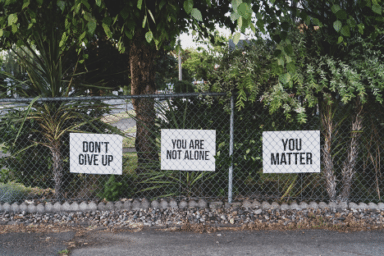
Admitting a loved one has a problem with alcohol can be painful for the whole family, not just the person drinking. But don’t be ashamed. You’re not alone. There is help and support available for both you and your loved one.
Start by talking honestly and openly with the friend or family member who’s drinking too much. But always remember that you can’t force someone to give up alcohol. The choice is up to them.
You may also benefit from joining a group such as Al-Anon, a free peer support group for families coping with alcoholism. Listening to others with the same challenges can serve as a tremendous source of comfort and support.
Discovering your child is drinking can generate fear, confusion, and anger in parents. It’s important to remain calm when confronting your teen, and only do so when everyone is sober. Explain your concerns and make it clear that your concern comes from a place of love. It’s important that your teen feels you are supportive.
Lay down rules and consequences: Your teen should understand that drinking alcohol comes with specific consequences. But don’t make hollow threats or set rules that you cannot enforce.
Monitor your teen’s activity: Insist on knowing where your teen goes and who they hang out with.
Encourage other interests and social activities. Expose your teen to healthy hobbies and activities, such as team sports, Scouts, and after-school clubs.
Talk to your child about underlying issues. Drinking can result from other problems. Is your child having trouble fitting in? Has there been a recent major change, like a move or divorce, which is causing stress?
Whether you want to cut back or stop drinking altogether, there are plenty of steps you can take to help yourself regain control of both your drinking and your life. Read: Overcoming Alcohol Addiction.
Most of these organizations have worldwide chapters:
Women for Sobriety – Organization dedicated to helping women overcome addictions. (Women for Sobriety, Inc.)
Alcoholics Anonymous – Learn more about the 12 steps and find a support meeting in your area. (Alcoholics Anonymous)
SMART Recovery – Self-Management and Recovery Training (SMART) is a program that aims to achieve abstinence through self-directed change. (SMART Recovery)
Al-Anon and Alateen – Support groups for friends and families of problem drinkers. (al-anon.alateen.org)
Search SAMHSA’s Behavioral Health Treatment Services Locator
Finding Quality Addiction Care – Canadian Centre on Substance Use and Addiction
Find healthier ways to change how you feel



A guide to alcohol addiction treatment services
The different options and what they offer

The different options and how they work

Cutting down on alcohol doesn’t have to mean losing your social life


Millions of readers rely on HelpGuide.org for free, evidence-based resources to understand and navigate mental health challenges. Please donate today to help us save, support, and change lives.
Donate to HelpGuide.org today