




This therapist directory is offered in partnership with BetterHelp. If you sign up for therapy after clicking through from this site, HelpGuide will earn a commission. This helps us continue our nonprofit mission and continue to be there as a free mental health resource for everyone.
Need to talk to someone now? Find a crisis helpline
If you're a BetterHelp therapist with questions about your directory listing, please contact therapists@betterhelp.com
What are the different types of antidepressants? How well do they work? Which one is right for you? What are the side effects? Here’s all you need to know about depression medication.
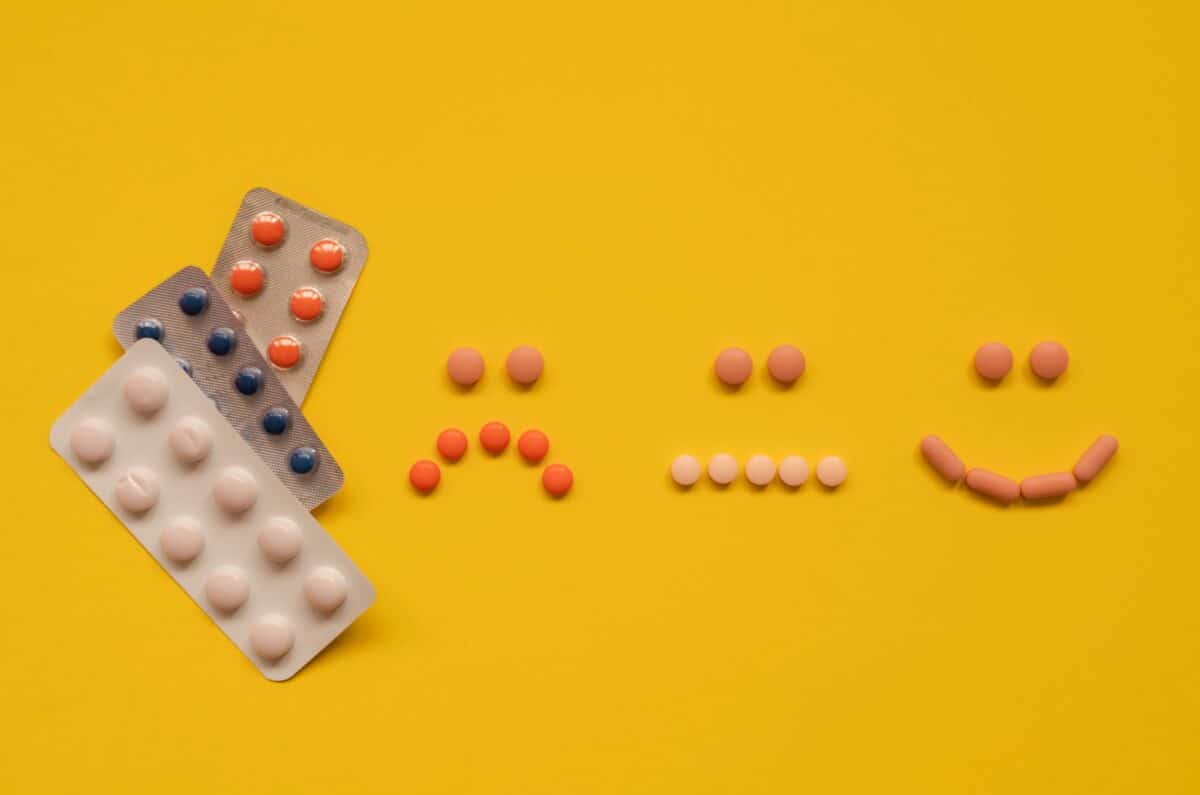
Antidepressants are a range of medications used in the treatment of depression and other mental health conditions, such as anxiety, post-traumatic stress disorder (PTSD), and obsessive-compulsive disorder (OCD). Antidepressants are some of the most commonly prescribed medications around. They include selective serotonin reuptake inhibitors (SSRIs), serotonin–norepinephrine reuptake inhibitors (SNRIs), atypical antidepressants, tricyclic antidepressants (TCAs), and monoamine oxidase inhibitors (MAOIs).
Antidepressant medications are designed to change chemicals (neurotransmitters) in the brain that affect mood and emotions. When you’re suffering from the pain and anguish of depression, that can sound like a simple and convenient method of relief. If your depression is severe, antidepressant medication can be helpful, even lifesaving.
However, while antidepressants can help relieve symptoms of depression to varying degrees, they aren’t a cure for depression and won’t address the underlying causes. They also may not be a long-term solution to managing your symptoms. As time goes on, some people who respond initially to medication can slip back into depression, as can those who stop taking the medication.
Antidepressants can also take time to build up in the body and take effect, and may come with unpleasant or even serious side effects. It may require some experimentation with your doctor to find the drug and dosage that works best for you. For these reasons, antidepressants are often most effective when used in combination with other depression treatments and behavioral changes.
When considering depression medication, it’s important to weigh the benefits against the risks. Many people with mild to moderate depression, for example, actually find that therapy, exercise, and self-help strategies work just as well or even better than medication—minus any side effects.
Even if you and your doctor decide that depression medication is right for you, it’s a good idea to also pursue therapy and lifestyle changes. Once medication has helped get your symptoms under control, you may find you’re in a better position to seek help from a therapist, start exercising, and try non-drug alternatives that can address the underlying issues and help you beat depression for good.
BetterHelp is an online therapy service that matches you to licensed, accredited therapists who can help with depression, anxiety, relationships, and more. Take the assessment and get matched with a therapist in as little as 48 hours.
Take Assessment HelpGuide is user supported. We earn a commission if you sign up for BetterHelp’s services after clicking through from this site. Learn moreMost current antidepressants target neurotransmitters in the brain, such as serotonin, norepinephrine, and dopamine. SSRIs, such as Prozac and Zoloft, boost serotonin in the brain, SNRIs, such as Cymbalta or Effexor, boost both serotonin and norepinephrine, while Wellbutrin, an atypical antidepressant, works just on norepinephrine and dopamine levels.
It isn’t known why changing the levels of these chemicals in the brain can help ease depression symptoms. Initially, medical experts thought that depression was caused by a chemical imbalance that could be corrected. But we now know that the causes of depression are much more complex than that.
Research points to physiological factors, including inflammation, elevated stress hormones, immune system suppression, abnormal activity in certain parts of the brain, nutritional deficiencies, and shrinking brain cells. Social and psychological factors—such as loneliness, stressful life experiences, poor diet, and low self-esteem—can also play a major role in triggering depression.
One theory suggests that antidepressants work by helping to form new connections (synapses) in the brain that are lost during periods of overwhelming stress. How they accomplish that, however, remains unclear.
There’s very little agreement within the medical community on the effectiveness of antidepressants. Some experts point to the millions of people around the world whose suffering has been eased by depression medication. Others point to studies that suggest the benefits have been exaggerated, that antidepressants are little more effective than placebos, and that alternate treatments can be just as effective, without the dangers.
Overall, it does seem that antidepressants can be effective for people with clinical depression or major depressive disorder (MDD) whose symptoms make it difficult to function in daily life. Research examining 522 studies concluded that all common antidepressants performed better than a placebo at relieving symptoms in those with MDD. While even these conclusions are disputed, it’s likely your doctor will recommend trying medication if your depression is severe.
If you have mild depression—the most common form of depression—your doctor may instead recommend therapy, behavioral changes, or other strategies for dealing with your symptoms. Research has shown that exercise can also help build connections in the brain, and can be at least as effective as antidepressants for relieving mild depression. Diet changes, improved sleep, and stress relief techniques can also help change your brain and impact your mood.
There are a wide variety of medications prescribed for depression. But don’t expect immediate results. It can often take several weeks of taking an antidepressant to experience an improvement in your depression symptoms, and several months before you no longer feel depressed.
Antidepressants also often come with side effects, so finding the right medication at the right dosage can involve some trial and error. Your doctor may have to try different types and classes of antidepressant to find the best one for you, depending on your specific symptoms, side effects, other health conditions you have, and any other medications you’re currently taking.
Common types of antidepressants include:
The most widely prescribed antidepressants come from a class of medications known as selective serotonin reuptake inhibitors (SSRIs). These include drugs such as:
SSRIs act on the neurotransmitter serotonin, a brain chemical which helps to regulate mood.
As the name suggests, serotonin and norepinephrine reuptake inhibitors (SNRIs) act on the brain chemical norepinephrine as well as serotonin. They include the drugs:
SNRIs may also be used to treat anxiety and depression accompanied by pain.
Atypical antidepressants don’t fit into other classes of antidepressants, but target different neurotransmitters to change the brain chemistry and regulate mood. They include:
The U.S. Food and Drug Administration (FDA) has now approved esketamine (brand name Spravato) for patients with severe, treatment-resistant depression. Taken as a nasal spray in conjunction with an oral antidepressant, esketamine may deliver rapid improvement of symptoms for some patients with major depression.
However, as a form of ketamine, it also carries some mind-altering side effects, including dissociation, changes in speech and behavior, anxiety, and suicidal thoughts. There is also the potential for abuse and misuse of this drug and, as yet, no definitive studies on its long-term effects.
Tricyclic antidepressants (TCAs) and MAOIs (monoamine oxidase inhibitors) are older classes of antidepressants. Their side effects can be more severe than those of the newer antidepressants, so they are usually only prescribed as a last resort after other treatments and medications have failed.
TCAs include:
MAOIs include:
Side effects can accompany any antidepressant. Some may be mild and only temporary, while others can be serious enough to require emergency medical attention. For some people, the side effects can be disruptive enough to make them stop taking the medication. In a small number of cases—particularly children, teens, and young adults—the side effects can include suicidal thoughts and actions.
Since the neurotransmitter serotonin also plays a role in digestion, pain, sleep, and mental clarity, SSRIs and SNRIs can cause a wide range of side effects, including:
Some SNRIs may also raise blood pressure or exacerbate liver problems. SSRIs and SNRIs can also cause serious withdrawal symptoms, especially if you stop taking them abruptly.
The side effects vary according to the specific drug. However, many of the atypical antidepressants can cause:
There is a danger that, in some people, antidepressant treatment will cause an increase, rather than a decrease, in depression. In 2004 the FDA stipulated that all depression medications in the U.S. should include a warning label about the increased risk of suicide in children, teens, and young adults. The suicide risk is particularly great during the first month or two of treatment.
Anyone taking antidepressants should be closely watched for suicidal thoughts and behaviors. Monitoring is especially important if this is your first time on depression medication or if the dose has recently been changed. If you spot the warning signs in yourself or a loved one, contact your doctor or therapist immediately
If you’re thinking about suicide, please read Are You Feeling Suicidal? or call a helpline:
Anyone who takes antidepressants can experience side effects, but certain individuals are at a higher risk:
People over 65. Studies show that some antidepressant medications may increase the risk for falls, fractures, and bone loss in older adults.
Pregnant women. The use of some antidepressants late in pregnancy may lead to short-term withdrawal symptoms in newborns after delivery. Typical symptoms include tremor, restlessness, mild respiratory problems, and weak cry.
Teens and young adults. All depression medications carry an increased risk of suicide in children, teens, and young adults.
People who may have bipolar disorder. Antidepressants can actually make bipolar disorder worse or trigger a manic episode; there are other treatments available for those with bipolar disorder.
If you’re considering antidepressants as a treatment option, the following questions may help you make your decision.
It’s important to remember that antidepressants aren’t a cure for depression. Medication may treat some symptoms, but can’t change the underlying issues and situations in your life that are making you depressed.
That’s where therapy, exercise, mindfulness meditation, social support, and other lifestyle changes come in. These non-drug treatments can produce lasting changes and long-term relief, and can work effectively in combination with antidepressants.
The more you know about your antidepressant, the better equipped you’ll be to deal with side effects, avoid dangerous drug interactions, and minimize other safety concerns.
Follow instructions. Be sure to take your antidepressant according to the doctor’s instructions. Don’t skip or alter your dose, and don’t stop taking your pills as soon as you begin to feel better. Stopping treatment prematurely is associated with high relapse rates and can cause serious withdrawal symptoms.
Beware of drug interactions. Drinking alcohol can lessen the effects of some antidepressant medications. Dangerous drug interactions can also occur when SSRIs or SNRIs are taken with blood thinners, prescription painkillers, or antihistamines found in many over-the-counter cold and allergy medicines and sleep aids. Always talk to your doctor or pharmacist before combining medications.
Monitor side effects. Keep track of any physical and emotional changes you’re experiencing and talk to your doctor about them. Contact your doctor or therapist immediately if your depression worsens or you experience an increase in suicidal thoughts. See your doctor on a regular basis.
Be patient. Finding the right drug and dosage is a trial and error process. It takes approximately four to six weeks for antidepressant medications to reach their full therapeutic effect. Many people try several medications before finding one that helps.
Try therapy and self-help as well. Combining antidepressant medication with therapy and self-help measures can often be more effective than taking medication alone—or even enable you to take a lower dose. Therapy and lifestyle changes can also address the underlying causes of your depression to prevent it returning when you’re able to come off antidepressants. If it’s more convenient, consider online therapy.
Regularly review your symptoms and medication needs. Your needs and the effectiveness of antidepressants can change over time. Some people build up a tolerance after a period of regular use, which means the medication may stop working. Others find that as they age, they experience changing side effects. And many more find that the longer they take certain antidepressants, the harder it can be to quit. Unless otherwise directed by your doctor, a good rule of thumb is to take the lowest effective dose for the shortest period.
Once antidepressant medication has served its purpose and you’ve addressed the causes of your depression symptoms—or the side effects have become too much to bear over time—you’ll likely want to discontinue their use. But stopping isn’t always simple. Some people have severe withdrawal symptoms that make it difficult to get off of the medication. When you decide to stop taking antidepressants, it’s essential to consult your doctor or therapist and taper off slowly to avoid withdrawal or a relapse of depression.
When you stop taking antidepressants, you may experience a number of unpleasant—even disabling—withdrawal symptoms. Antidepressants that influence the serotonin levels in your brain—SSRIs and SNRIs—are especially associated with withdrawal symptoms, sometimes referred to as antidepressant discontinuation syndrome.
Withdrawal symptoms can include:
Antidepressants that don’t impact serotonin levels, such as bupropion (Wellbutrin), may cause fewer withdrawal symptoms, although extreme irritability can be an issue for some people.
Reduce your dose gradually. In order to minimize antidepressant withdrawal symptoms, never stop your medication “cold turkey.” Instead, gradually step down your dose (many experts recommend reducing in 10% increments), allowing for at least two to six weeks or longer between each dosage reduction.
Don’t rush the process. The antidepressant tapering process may take from several months to years, and should only be attempted under a doctor’s supervision. Be patient. If at any time you experience difficulties, consider spending more time at your current dose before attempting any further reductions.
Choose a time to stop that isn’t too stressful. Withdrawing from antidepressants can be difficult, so it’s best to start when you’re not under a lot of stress. If you’re currently going through any major life changes or significantly stressful circumstances, you may want to wait until you’re in a more stable place in order to avoid a relapse of depression.
Find DBSA Chapters/Support Groups or call the NAMI Helpline for support and referrals at 1-800-950-6264
Find Depression support groups in-person and online or call the Mind Infoline at 0300 123 3393
Call the SANE Help Centre at 1800 18 7263
Call Mood Disorders Society of Canada at 519-824-5565
Call the Vandrevala Foundation Helpline (India) at 1860 2662 345 or 1800 2333 330
Call 988 Suicide and Crisis Lifeline at 988
Call Samaritans UK at 116 123
Call Lifeline Australia at 13 11 14
Visit IASP or Suicide.org to find a helpline near you
Therapy, medication, and lifestyle changes that can help you feel better






How it works and how to decide if it’s the right treatment for you


Millions of readers rely on HelpGuide.org for free, evidence-based resources to understand and navigate mental health challenges. Please donate today to help us save, support, and change lives.
Donate to HelpGuide.org today